Adventures in Mowing and Maintenance
Introduction
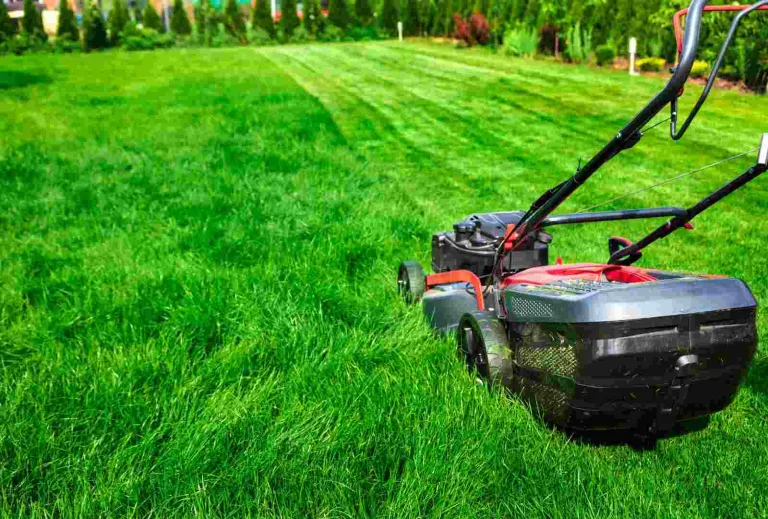
Mowing refers to the process of cutting and trimming grass or other vegetation in a lawn, garden, field, or other outdoor area to maintain its desired height and appearance. It is a common practice in landscaping and lawn care to keep outdoor spaces neat and aesthetically pleasing. Mowing is typically done using a lawnmower, which can be either a push mower or a riding mower, depending on the size of the area to be mowed.
Frequency of Mowing
The frequency of mowing depends on the growth rate of the grass and the desired lawn height. Warm-season grasses may need more frequent mowing in summer, while cool-season grasses can be mowed less often.
Mowing Patterns:
Some people mow their lawns in different patterns or directions to create appealing designs or reduce soil compaction. Diagonal or checkerboard patterns create visual interest, while straight lines convey a neat, professional look. Experimenting with patterns adds creativity and character to your outdoor space.
Mowing Types:
Types of mowing are as under:
Push Mowing:
This is the most basic form of mowing, where you manually push a lawnmower with a rotating blade to cut the grass. It’s suitable for small to medium-sized lawns and provides good exercise.Push mowing involves manually propelling a lawnmower to cut grass. This method doesn’t require fuel or electricity. It provides exercise and a quieter, gentler cut for smaller lawns.
Riding Mowing:
Riding mowers are larger machines that you can ride on while mowing. They are ideal for larger lawns and reduce the physical effort required compared to push mowing.Riding mowing is an efficient method of lawn maintenance. A motorized mower with a comfortable seat allows the operator to effortlessly cover large areas, reducing manual labor.
Bagging Mowing:
Bagging mowing is a lawn care technique where grass clippings are collected and stored in a bag attached to a lawnmower. This is a cleaner option but may require disposal of the clippings.This practice promotes a neater appearance and prevents thatch buildup. However, it may require more effort and disposal of clippings, impacting soil health due to reduced organic matter recycling.
Striping Mowing:
This technique involves mowing the grass in a way that creates alternating light and dark stripes on the lawn. It’s often used for decorative purposes and can create an appealing visual effect.This is achieved by bending grass blades in different directions using a roller or striping kit attached to a mower. It enhances curb appeal, providing an elegant and manicured look to lawns.
Reel Mowing:
Reel mowers use a cylinder of blades that rotate against a stationary blade to cut the grass like scissors. They provide a clean and precise cut and are often used on golf courses and finely manicured lawns. It delivers a precise, manicured look and promotes grass health by minimizing tearing. Reel mowers are quiet, energy-efficient, and a sustainable alternative to gas-powered counterparts.
Rotary Mowing:
Rotary mowers have a horizontal blade that spins like a fan to cut the grass.It involves using a rotary mower with spinning blades to cut grass evenly. This technique is efficient and versatile, suitable for various grass types and terrains. It creates a manicured look and promotes healthy grass growth by mulching clippings back into the soil.
Slope Mowing:
When mowing on slopes or hilly terrain, specialized mowers with features like adjustable decks, wide wheelbases, or tracks are used to ensure safety and effective mowing.It involves the use of equipment designed for stability and safety, such as slope mowers and remote-controlled machines. This method helps prevent soil erosion, maintains landscape aesthetics, and minimizes the risk of accidents on challenging landscapes.
Mowing Through Robotics:
Robotic mowing revolutionizes lawn care, employing autonomous machines equipped with sensors and AI. These devices efficiently trim grass, adapting to terrain and obstacles. They use sensors to navigate and avoid obstacles.They offer convenience, save time, and ensure consistent, precise cutting.
Wildflower or Meadow Mowing:
In naturalized or wildflower areas, mowing is done at specific times to promote the growth of wildflowers and maintain biodiversity. Wildflower meadows provide essential habitat for pollinators and diverse wildlife. Mowing these meadows should be done thoughtfully, typically in late summer or early autumn, after wildflowers have seeded. This promotes regrowth while preserving biodiversity.
Ideal season for Mowing
Spring:
Early Spring:
As the weather begins to warm up and your grass starts to grow, it’s a good time for the first mow of the season.
Late Spring:
Continue mowing regularly to maintain your desired grass height. Mowing during late spring promotes a manicured, vibrant outdoor space.Dryer conditions reduce the risk of clumping and fungal growth, allowing for a clean, even cut
Summer:
The peak growing season for most grasses is summer. Be mindful of not cutting your grass too short, as longer grass can better withstand heat and drought.
Winter:
Winter is a season of dormancy for lawns, with grass growth slowing to a halt. Mowing during winter is infrequent, if at all, as grass remains dormant and brittle. It’s crucial to avoid cutting too short in cold weather to prevent damage. Focus on winter lawn care like debris removal and soil aeration instead.
Advantages of Mowing:
Advantages of regular mowing are as under:
- When you trim the grass, it encourages the development of new shoots and thicker grass blades, resulting in a lusher, greener lawn.
- Frequent mowing prevents weeds from producing seeds and spreading, keeping your lawn weed-free.
- Shorter grass allows for better air circulation and sunlight exposure, which can discourage the growth of fungal pathogens.
- Mowing can also deter certain lawn pests, as shorter grass provides fewer hiding places and breeding grounds for insects like ticks and fleas.
- Maintaining a well-mowed lawn ensures that your outdoor space is safe for activities such as playing, walking, or entertaining.
- Regular mowing makes it easier to use your lawn for various purposes, such as picnics, sports, or gardening.
- Mowing can have positive environmental impacts, such as reducing the carbon footprint of overgrown landscapes, which can lead to more efficient water use and carbon sequestration in the soil.